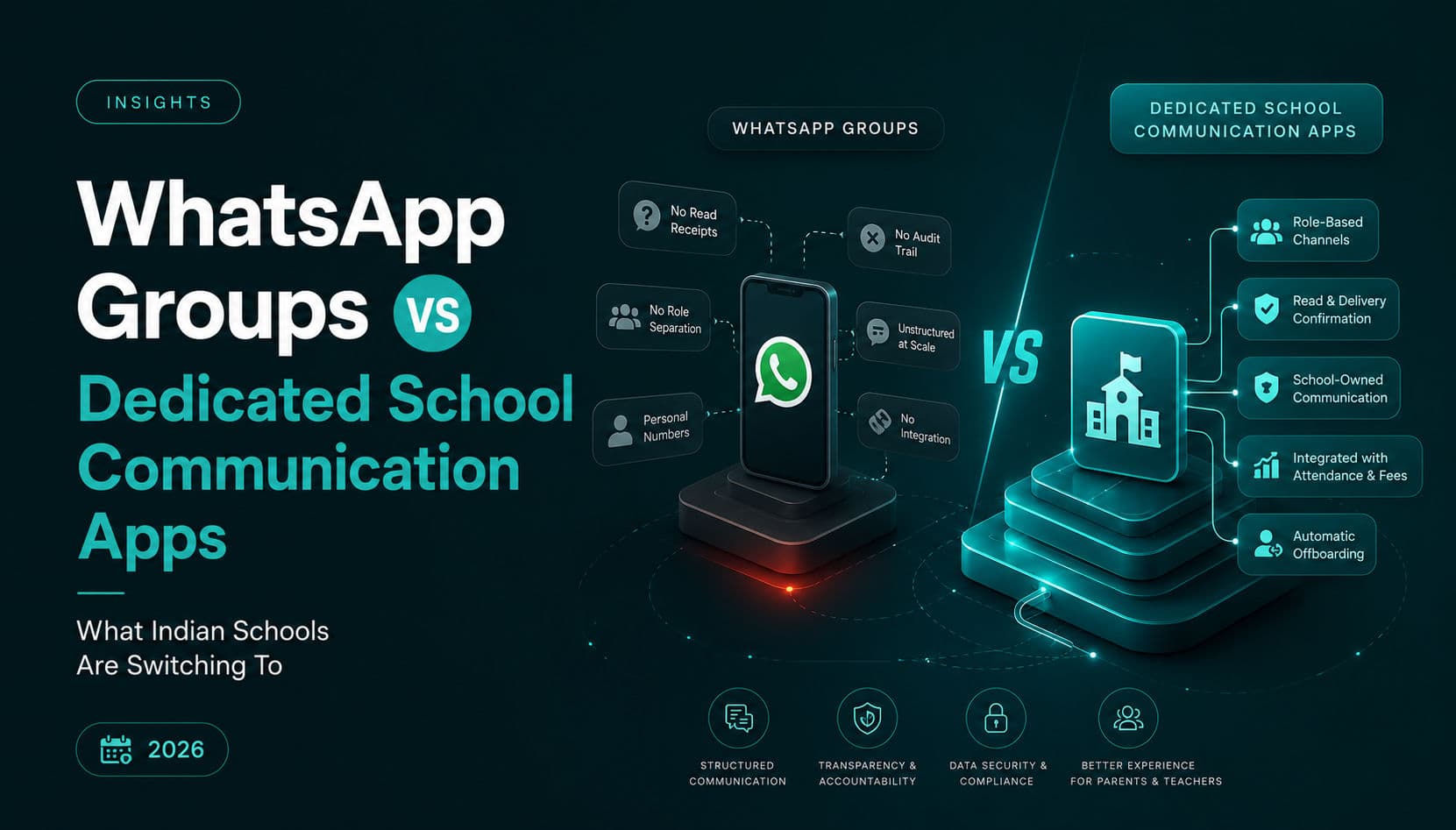
The Complete Guide to Educational Technology in 2026
Educational technology is reshaping how schools teach, communicate, collaborate, and manage learning experiences. This comprehensive guide explores the technologies, trends, benefits, challenges, and implementation strategies that educational leaders, teachers, students, and parents need to understand in 2026.

Educational technology has become one of the most influential forces shaping modern education. What was once limited to computer labs and digital presentations has evolved into a comprehensive ecosystem that supports communication, collaboration, teaching, learning, resource management, and school operations.
In 2026, schools are expected to provide engaging learning experiences, maintain strong communication with families, support teachers with modern tools, and prepare students for a technology-driven future. Educational technology plays a central role in helping institutions meet these expectations.
For principals, teachers, administrators, parents, and students, understanding educational technology is no longer optional. It is essential for creating connected, efficient, and future-ready educational environments.
What Is Educational Technology?
Educational technology refers to the use of digital tools, systems, platforms, and processes designed to improve teaching, learning, communication, collaboration, and educational administration.
While many people associate educational technology primarily with online learning, its scope is much broader.
Modern educational technology includes:
- Virtual classrooms
- Learning platforms
- Communication systems
- Resource libraries
- Collaboration tools
- Assessment technologies
- Webinar platforms
- Parent engagement solutions
- Administrative coordination systems
- School-wide information sharing tools
The ultimate goal is to improve educational experiences while supporting institutional efficiency and effectiveness.
Why Educational Technology Matters More Than Ever
Education is evolving rapidly. Students learn differently than previous generations, parents expect greater visibility into academic progress, and schools face increasing pressure to operate efficiently while maintaining high educational standards.
Educational technology helps address these challenges by creating stronger connections between all stakeholders.
Benefits include:
- Faster communication
- Better collaboration
- Improved resource accessibility
- More flexible learning opportunities
- Enhanced parent involvement
- Greater operational visibility
- Increased organizational efficiency
Schools that strategically embrace technology are often better positioned to adapt to changing educational demands.
The Evolution of Educational Technology
From Computer Labs to Connected Ecosystems
The earliest forms of educational technology focused primarily on standalone computers and educational software.
Technology was often treated as a separate subject rather than an integrated part of teaching and learning.
Over time, internet connectivity transformed educational environments by enabling:
- Digital content distribution
- Online collaboration
- Virtual classrooms
- Cloud-based resource sharing
Today, technology connects nearly every aspect of school operations.
The Rise of Digital Learning
The growth of digital learning expanded educational opportunities beyond traditional classroom boundaries.
Students gained access to:
- Online resources
- Recorded lessons
- Interactive learning experiences
- Remote learning opportunities
Digital learning has become an important component of educational continuity and accessibility.
The Connected School Era
Modern schools use technology not only for instruction but also for communication, coordination, engagement, and collaboration.
Technology now supports:
- School communication
- Parent-teacher interactions
- Staff meetings
- Academic coordination
- Event management
- Professional development
- Resource distribution
This shift has created more connected educational communities.
Core Components of Educational Technology
Teaching and Learning Technologies
Teaching technologies support educators in delivering engaging and effective instruction.
Common examples include:
- Interactive lesson tools
- Online class environments
- Digital assignments
- Recorded sessions
- Attendance tracking
- Participation management
These solutions help create structured and flexible learning experiences.
Communication Platforms
Communication remains one of the most critical functions within any educational institution.
Effective communication systems allow schools to:
- Share announcements
- Deliver important updates
- Improve transparency
- Coordinate activities
- Engage parents
Strong communication contributes directly to stronger school communities.
Collaboration Tools
Collaboration is essential for educational success.
Digital collaboration platforms help:
- Teachers coordinate lessons
- Departments share information
- Administrators manage initiatives
- Staff work together efficiently
Technology enables collaboration regardless of physical location.
Resource Management Systems
Schools generate significant volumes of educational materials.
Resource management systems help organize:
- Lesson plans
- Learning materials
- Academic documents
- Administrative resources
- Institutional knowledge
Centralized resource access improves consistency and efficiency.
Virtual Learning Environments
Virtual learning environments continue to play an important role in modern education.
They support:
- Live instruction
- Hybrid learning
- Recorded content
- Student engagement
- Resource integration
These environments help extend learning beyond classroom walls.
Major Educational Technology Trends in 2026
Artificial Intelligence in Education
Artificial intelligence is becoming increasingly integrated into educational environments.
Schools are exploring AI for:
- Personalized learning support
- Administrative assistance
- Content recommendations
- Learning analytics
- Academic insights
The focus remains on supporting educators rather than replacing them.
Unified School Platforms
Many schools have accumulated numerous disconnected tools over the years.
This often creates:
- Communication silos
- Administrative complexity
- User frustration
- Inefficient workflows
As a result, schools are increasingly adopting unified platforms that centralize communication, collaboration, learning resources, meetings, and engagement activities.
Data-Informed Educational Leadership
School leaders are using data to make more informed decisions.
Technology helps institutions analyze:
- Participation trends
- Attendance patterns
- Communication effectiveness
- Resource utilization
- Engagement levels
Data-driven insights help schools identify opportunities for improvement.
Parent Engagement Technologies
Parent engagement continues to be a major priority for schools.
Modern technologies make it easier to:
- Share updates
- Schedule meetings
- Communicate regularly
- Provide academic visibility
- Strengthen school-family partnerships
Strong parent engagement often contributes to improved student success.
Digital Professional Development
Continuous learning is essential for educators.
Technology enables access to:
- Educational webinars
- Online workshops
- Professional learning communities
- Virtual conferences
- Collaborative training opportunities
Professional development is becoming increasingly flexible and accessible.
Benefits of Educational Technology
Improved Accessibility
Technology helps make educational resources available anytime and from virtually anywhere.
Students can access:
- Learning materials
- Recorded lessons
- Assignments
- Collaborative resources
This supports diverse learning needs and schedules.
Enhanced Communication
Digital communication platforms improve interactions among:
- Teachers
- Students
- Parents
- Administrators
Timely communication reduces misunderstandings and strengthens relationships.
Greater Collaboration
Technology enables more effective teamwork across the institution.
Collaboration benefits include:
- Faster information sharing
- Improved planning
- Better coordination
- Increased knowledge exchange
Schools become more connected and efficient.
Increased Operational Efficiency
Many administrative processes become more streamlined through technology.
Schools can reduce manual effort while improving visibility across activities and initiatives.
Flexible Learning Opportunities
Technology allows schools to offer learning experiences that extend beyond traditional schedules and locations.
This flexibility benefits both educators and learners.
Challenges Schools Must Address
Technology Adoption Resistance
Not everyone adapts to new systems at the same pace.
Schools often encounter challenges such as:
- Lack of familiarity
- Training gaps
- Change fatigue
- Concerns about complexity
Successful implementation requires ongoing support and communication.
Digital Equity
Access to technology is not always equal.
Schools must consider:
- Device availability
- Internet access
- Digital literacy
- Accessibility needs
Inclusive strategies help ensure equitable participation.
Information Overload
Too many disconnected systems can overwhelm users.
Schools benefit from simplifying their technology ecosystems and reducing unnecessary complexity.
Privacy and Security
Educational institutions manage sensitive information every day.
Technology strategies should prioritize:
- Secure communication
- Data protection
- User authentication
- Access management
- Privacy compliance
Trust depends on responsible technology management.
Building an Effective Educational Technology Strategy
Define Clear Goals
Technology should support educational objectives rather than exist for its own sake.
Schools should identify:
- Communication priorities
- Learning goals
- Collaboration requirements
- Operational needs
Clear goals guide better decision-making.
Evaluate Existing Systems
Before investing in new technologies, schools should review their current environment.
Key questions include:
- What tools are currently being used?
- Where are the gaps?
- Which systems overlap?
- What challenges do users face?
A thorough evaluation helps identify opportunities for improvement.
Focus on User Experience
Technology adoption improves when solutions are intuitive and easy to use.
The needs of:
- Students
- Teachers
- Parents
- Administrators
should remain central throughout implementation.
Invest in Training
Training is one of the most important factors influencing technology adoption.
Schools should provide:
- Onboarding programs
- Professional development
- Support resources
- Ongoing guidance
Well-trained users are more likely to embrace new technologies.
Measure Success
Schools should continuously evaluate outcomes.
Useful indicators include:
- Engagement levels
- Communication effectiveness
- System adoption rates
- User satisfaction
- Operational improvements
Continuous improvement leads to better long-term results.
The Future of Educational Technology
Educational technology will continue to evolve alongside changing educational needs.
Future developments are likely to focus on:
- Greater system integration
- Smarter learning support
- Improved collaboration experiences
- Stronger parent engagement
- Enhanced accessibility
- Better resource management
- More informed educational leadership
The future is not about implementing more technology. It is about using technology more effectively to support people, learning, and organizational success.
How HermesWorkspace Supports Modern Educational Technology
As schools seek to simplify operations and strengthen communication, many educational leaders are looking for platforms that bring essential functions together in one environment.
HermesWorkspace supports modern educational technology by helping schools centralize:
- Structured school communication
- Class and section-based communication channels
- Resource sharing and resource libraries
- Online classes
- Virtual meetings
- Parent-teacher meetings
- Staff meetings
- Educational webinars
- Digital notice boards
- Event and activity management
- Administrative oversight and visibility
- Parent engagement initiatives
By bringing communication, collaboration, learning resources, meetings, and engagement tools into a unified platform, schools can create more connected and efficient educational ecosystems.
Conclusion
Educational technology in 2026 extends far beyond classroom devices and online learning platforms. It has become a strategic enabler of communication, collaboration, learning, engagement, and institutional effectiveness.
For principals, teachers, administrators, parents, and students, technology offers opportunities to strengthen educational experiences while improving coordination and efficiency across the school community.
The most successful schools will not necessarily be those with the most technology. They will be the schools that use technology thoughtfully, strategically, and purposefully to support people, improve learning, and build stronger educational environments.
Related Topics Schools Should Explore
- The Future of School Communication in the Digital Age
- Building Strong Parent Engagement Through Technology
- Online Learning Best Practices for Modern Schools
- Resource Management Strategies for Educational Institutions
- Creating Effective Digital Collaboration Environments for Educators